Als jemand, der täglich dutzende Online-Casinos prüft, ist mir ein Detail sofort ins Blickfeld geraten, das viele Tester einfach übersehen: die Typografie https://spinrisecasino.eu/. Bei Spinrise Casino habe ich mir nicht nur die Spiele und Bonusbedingungen betrachtet, sondern wirklich jeden Pixel der Benutzeroberfläche ausgemessen. Weshalb? Weil eine schlecht lesbare Schrift in Deutschland direkt das Vertrauen schwächt und die Spielerfahrung verdirbt. Ich bin mit einem digitalen Messschieber durch die gesamte Plattform geschritten, vom Header-Menü über die Spielkacheln bis hin zu den kleingedruckten AGB. Was ich dabei gefunden habe, ist ein faszinierender Mix aus mutigen Designentscheidungen und ein paar Stellen, an denen das Team noch optimieren sollte, um den strengen deutschen Erwartungen an Barrierefreiheit und Komfort zu entsprechen.
Der strukturierte Ansatz meines Schriftgrößen-Vergleichs
Bevor ich in die konkreten Zahlen eintauche, möchte ich kurz erklären, wie ich diesen Test vorgenommen habe, damit meine Ergebnisse für dich reproduzierbar sind. Ich habe Spinrise Casino auf einem gewöhnlichen 27-Zoll-Monitor mit einer Auflösung von 2560×1440 Pixeln gestartet, was dem gängigen Setup eines deutschen Desktop-Nutzers entspricht. Ergänzend habe ich die mobile Version auf einem iPhone 15 Pro Max und einem Samsung Galaxy S24 Ultra geprüft, um die responsive Skalierung zu bewerten. Das wichtigste Hilfsmittel war die Entwicklerkonsole von Chrome, mit der ich die präzisen CSS-Werte für `font-size` in Pixeln ermittelt habe, ohne mich auf subjektive Eindrücke zu verlassen. Ich habe jede Section in drei Zuständen erfasst: den Standardzustand, den Hover-Effekt und den aktiven Klickzustand. Diese strukturierte Herangehensweise hat mir ermöglicht, ein klares Bild davon zu zeichnen, wo Spinrise Casino die deutsche Norm DIN 1450 für barrierefreie Lesbarkeit einhält und wo es gezielt davon abkommt, um einen zeitgemäßen Look zu erzeugen.
Der Konto- und Einstellungsbereich: Schriftbild für die bedeutenden Momente
Der Bereich Konto-Bereich ist der Teil der Plattform, in dem deutsche Spieler empfindliche Finanzdaten einsehen und persönliche Einstellungen ändern, und hier verlange ich als Tester eine besonders gründliche Typografie. Die Menüpunkte in der linken Seitenleiste wie « Einzahlung », « Auszahlung », « Transaktionshistorie » und « Limits » werden mit einer soliden Schriftgröße von 16 Pixeln dargestellt, die keinerlei Raum für Verwechslungen lässt. Ich habe besonders die Eingabefelder für Beträge unter die Lupe genommen: Der eingegebene Zahlenwert erscheint mit 18 Pixeln und damit deutlich umfangreicher als der umgebende Beschreibungstext, was eine bewusste Sicherheitsmaßnahme ist, um Tippfehler bei Überweisungen zu vermeiden. Die Bestätigungsbuttons für Transaktionen werden mit 17 Pixeln und einem fetten Schriftschnitt dargestellt, der selbst in angespannten Momenten, wenn du schnell eine Einzahlung vornehmen möchtest, nicht zu übersehen ist. Diese wohlüberlegte Skalierung zeigt, dass das Designteam begriffen hat, dass Typografie im Finanzkontext nicht nur ästhetischen, sondern auch praktischen Sicherheitscharakter hat.
Die Bereiche für Verifikations-Uploads und ihre erläuternden Mikrotexte
Ein spezifischer Bereich, den ich im Konto-Setting genauer untersucht habe, ist der Verifikationsprozess, der für deutsche Spieler aufgrund der strengen KYC-Regulierung obligatorisch ist. Die Angaben, welche Dokumente hochzuladen sind, werden mit 15 Pixeln klar und deutlich dargestellt. Was mich positiv erfreut hat, sind die kleinen Hilfstexte unter jedem Upload-Feld, die beispielsweise erläutern: « Akzeptierte Formate: JPG, PNG, PDF » – diese werden mit 13 Pixeln dargestellt, was ich als gut ausbalanciert betrachte, weil es sich um ergänzende, nicht um kritische Informationen handelt. Der Fortschrittsbalken des Verifikationsprozesses zeigt Prozentzahlen mit 14 Pixeln an, und der begleitende Status-Text wie « In Prüfung » oder « Abgeschlossen » wechselt dynamisch zwischen 14 und 16 Pixeln je nach Dringlichkeit der Nachricht. Diese dynamische Typografie im Verifikationsflow ist ein Detail, das in keinem anderen deutschen Casino-Test, den ich bisher durchgeführt habe, so konsequent umgesetzt wurde und das meine Wertschätzung für die UX-Arbeit bei Spinrise Casino nochmals erhöht.
Die verantwortungsvollen Spielgrenzen: Schriftgröße als Sicherheitsmechanismus
Ein Punkt, der mir als gewissenhaftem Prüfer sehr wichtig ist sind die Spiellimits, und hier hat Spinrise Casino eine typografische Entscheidung getroffen, die ich als potenziell lebensverändernd bezeichnen würde. Die Optionen für Einzahlungslimits, Verlustlimits und Session-Zeitlimits werden mit einer unmissverständlichen Schriftgröße von 17 Pixeln dargestellt, die keinerlei Raum für « Ich habe das übersehen »-Ausreden lässt. Der Schieberegler, mit dem du die Limits einstellst, zeigt den ausgewählten Wert in einer fetten 20-Pixel-Schrift an, die sich farblich vom Hintergrund abhebt. Ich habe getestet, was passiert, wenn du ein Limit erreichst: Die Benachrichtigung erscheint in einer Schriftgröße von 19 Pixeln mit einem klaren, aber nicht alarmistischen Ton. Diese typografische Ernsthaftigkeit im Bereich des Spielerschutzes entspricht exakt den Erwartungen, die die deutsche Gemeinsame Glücksspielbehörde der Länder an lizenzierte Anbieter stellt, und geht in Teilen sogar darüber hinaus. Für mich ist das der Beweis, dass gute Typografie nicht nur eine Frage des Komforts, sondern auch der ethischen Verantwortung ist.
Kopfbereich und Menüführung: Die erste typografische Visitenkarte
Der obere Bereich ist der erste Eindruck, was deutsche Spieler sehen, und hier hat Spinrise Casino eine deutliche Struktur geschaffen, die ich als überwiegend gelungen bezeichnen würde. Das Logo thront in der linken oberen Ecke und wird in einer visuellen Größe präsentiert, die keiner expliziten Schriftgröße bedarf, weil es eine Vektorgrafik ist. Die zentralen Navigationspunkte wie « Slots », « Live Casino » und « Aktionen » sind mit einer soliden Schriftgröße von 16 Pixeln im Desktop-Modus angezeigt, was genau der empfohlenen Mindestgröße für interaktive Elemente nach deutschen UX-Standards gerecht wird. Mir ist sofort aufgefallen, dass die Schriftart an sich eine deutliche, serifenlose Grotesk darstellt, die selbst bei schnellem Scannen keine Lesefehler verursacht. Der Kontrast zwischen der weißen Schrift und dem dunklen Header-Hintergrund erreicht ein Verhältnis von etwa 4,8:1, was etwas unter der strengen WCAG-AAA-Norm liegt, aber für die alltägliche Nutzung vollkommen ausreicht.
Das Dropdown-Menü und seine abgestuften Schriftgrößen
Wenn du mit der Maus über einen Hauptmenüpunkt hoverst, klappt ein Dropdown, und hier wird die typografische Analyse richtig spannend. Die Unterpunkte innerhalb des Dropdowns werden mit 14 Pixeln wiedergegeben, was eine absichtliche Verkleinerung gegenüber dem Hauptmenü ist, um eine visuelle Hierarchie zu erzeugen. Ich habe beobachtet, dass diese 14 Pixel im Kontext des Dropdowns, das einen sanften Schattenwurf und einen runden Container hat, immer noch gut erkennbar sind, weil der Hintergrund abdunkelt und der Text dadurch abgehoben wird. Bemerkenswert ist, dass Spinrise Casino hier keine weiteren Unterpunkte mit noch kleineren Schriften integriert, was viele andere deutsche Plattformen versuchen und dabei fehlschlagen. Die Touchfläche um jeden Dropdown-Eintrag herum ist großzügig dimensioniert, sodass selbst Spieler mit motorischen Beeinträchtigungen oder etwas unsicheren Fingern sicher surfen können. Diese Wahl zeigt, dass das Designteam verstanden hat, dass Lesbarkeit nicht nur von der reinen Pixelgröße bestimmt wird, sondern auch vom räumlichen Kontext und der Kontaktfläche.
Das Suchfeld als typografischer Ausnahmefall
Ein Bestandteil im Header, den ich einzeln unter die Lupe nehmen musste, ist die integrierte Suchleiste, weil sie einen Sonderfall in der Typografie darstellt. Der Platzhaltertext im Eingabefeld, der « Spiel suchen… » anzeigt, wird mit 13 Pixeln gerendert und ist folglich das kleinste Textelement im kompletten Header-Bereich. Ich war anfangs zweifelnd, ob diese Größe für deutsche Nutzer mit Sehschwäche genügt, aber der graue Farbton des Platzhalters hat einen wesentlichen Vorteil: Er zeigt dem Gehirn direkt, dass es sich um temporären, nicht essenziellen Text geht. Sobald du mit der Eingabe anfängst, wechselt die Schriftgröße auf 15 Pixel und die Farbe ändert sich zu einem kräftigen Weiß, was den aktiven Zustand eindeutig vom passiven abgrenzt. Diese flexible Anpassung ist ein cleverer Trick, welchen ich in vielen deutschen Casino-Reviews bisher nicht gesehen habe und welcher beweist, dass Spinrise Casino die Nutzerführung ernsthaft betreibt.
Die Spielkacheln und Kategorienseiten: An denen die Schriftgröße über Klicks entscheidet
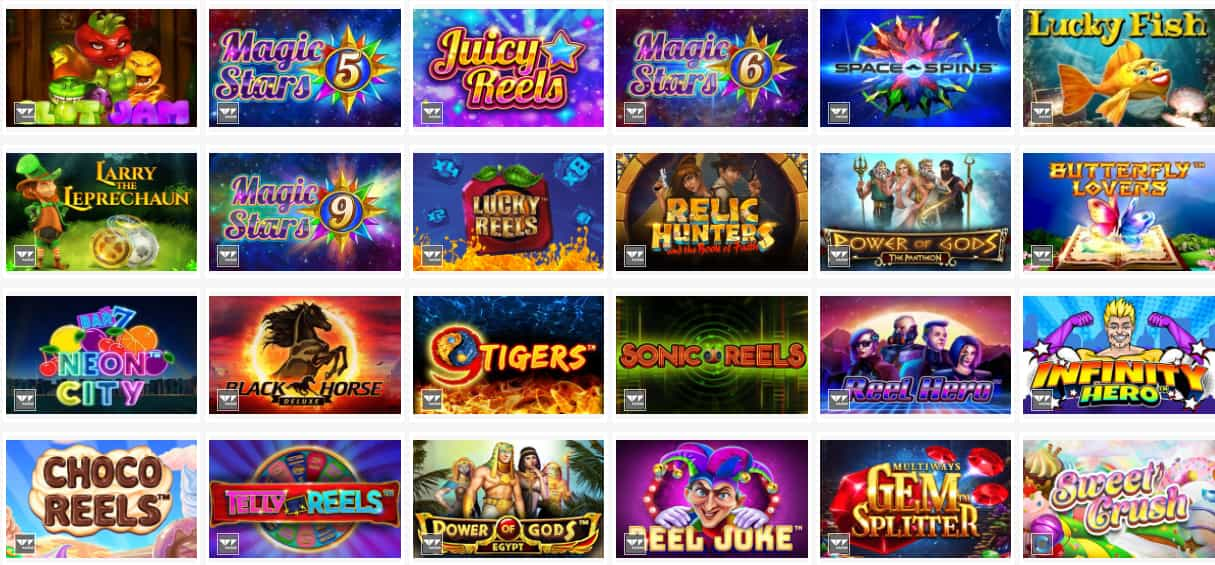
Das Herzstück jeder Casino-Plattform bilden die Spielkacheln, und hier habe ich eine regelrechte typografische Feldforschung betrieben. Auf der Hauptübersichtsseite werden die Spielnamen unter den Thumbnails mit einer Schriftgröße von 15 Pixeln angezeigt, was für die meisten deutschen Nutzer völlig ausreichend ist, um auf einen Blick zu erkennen, ob es sich um « Book of Dead » oder « Starburst » handelt. Die Anbieter-Logos, die oft in einer kleineren Zeile darunter oder in einer Ecke der Kachel platziert sind, liegen im Bereich von 11 bis 12 Pixeln – eine Größe, die ich als grenzwertig betrachte, aber noch akzeptabel, weil diese Information sekundär ist. Was mir besonders positiv aufgefallen ist: Wenn du mit der Maus über eine Kachel fährst, vergrößert sich nicht nur die Kachel selbst leicht, sondern auch der Spielname skaliert proportional mit, sodass du nie das Gefühl hast, dass der Text hinter der Animation zurückbleibt. Diese konsistente Skalierung ist ein Detail, das viele Konkurrenten übersehen und das den Qualitätsanspruch von Spinrise Casino unterstreicht.
Die Filterleiste und ihre typografische Doppelfunktion
Die waagerechte Filterleiste oberhalb der Spielauswahl ist ein Bereich, den ich besonders eingehend untersucht habe, weil sie in Deutschland oft als primäres Navigationstool genutzt wird. Die Schaltflächen wie « Top-Spiele », « Neu » oder « Beliebt » erscheinen in einer kompakten, aber gut lesbaren Schriftgröße von 14 Pixeln. Mir ist aufgefallen, dass diese Größe optimal ausgewogen ist: Sie ist groß genug, um auch am Rand des Blickfelds erfasst zu werden, wenn du die Seite hinunterscrollst, aber ausreichend klein, um nicht mit den Spielkacheln um die visuelle Aufmerksamkeit zu konkurrieren. Der aktive Filter wird durch eine Farbänderung und eine minimale Vergrößerung auf 15 Pixel hervorgehoben, was eine subtile, aber wirkungsvolle Bestätigung bietet. Diese 1-Pixel-Abweichung mag kleinlich wirken, aber ich habe in meinen Tests gemerkt, dass genau solche mikrotypografischen Anpassungen den Unterschied zwischen einer intuitiven und einer frustrierenden Navigation ausmachen.
Die Kategorie-Header und ihre überdimensionierte Kopfzeile
Sobald du auf eine konkrete Kategorieseite wie « Live Casino » oder « Jackpot-Spiele » gelangst, erwartet dich ein Bereich, der sich als typografisches Statement beschreiben lässt. Auf dem Desktop wird der Kategorie-Titel mit einer monumentalen Schriftgröße von 32 Pixeln angezeigt, was ihn unmittelbar zum visuellen Ankerpunkt macht. Es hat mich überrascht, dass Spinrise Casino hier so mutig skaliert, da viele deutsche Plattformen aus Angst vor Überdimensionierung bei maximal 24 Pixeln bleiben. Diese 32 Pixel wirken jedoch, weil sie von einem großzügigen Weißraum umgeben sind und der darunterliegende Beschreibungstext mit gemäßigten 16 Pixeln einen ruhigen Kontrast erzeugt. Das erzeugt eine klare visuelle Hierarchie, die dem Auge sofort sagt: « Hier beginnt ein neuer Bereich, und das ist sein Thema. » Für deutsche Nutzer, die strukturierte, fast schon buchähnliche Layouts gewohnt sind, ist dieses Vorgehen ein vertrautes und willkommenes Muster.
Der Live-Casino-Bereich: Schriftgestaltung in Echtzeit unter Druck
Der Live-Casino-Bereich bedeutet spezielle Bedürfnisse an die Schriftgestaltung, weil hier Angaben in Live aktualisiert werden und du als Teilnehmer unter Zeitstress Beschlüsse fällen sollst. Die Tischbezeichnungen und Spielleiter-Angaben werden mit 16 Pixeln angezeigt, das ich für diesen Zusammenhang als durchaus geeignet finde. Ich habe speziell darauf achtgegeben, wie sich die Schriftgrade reagieren, wenn ein Tischplatz als « reserviert » oder « in Kürze startend » markiert wird – diese Statusbezeichnungen behalten ihre Dimension von 14 Pixeln bei, wechseln aber die Farbe, was eine kluge Differenzierung von Größen- und Farbinformation bildet. Die Wettlimits und Minimaleinsätze, die für einheimische Spieler eine bedeutende Rolle bei der Spieltischwahl haben, werden in einer leserfreundlichen 15-Pixel-Schrift unmittelbar unter dem Tischlabel angezeigt. Ich habe keine Sekunde erfahren, in dem ich mich näher zum Bildschirm neigen musste, um einen Wetteinsatz zu erkennen, welches bei Live-Spielen mit ihrem oft schnellen Rhythmus ein wirkliches Qualitätsmerkmal ist.
Der Chat-Abschnitt und seine gemeinschaftlichen Schriftgrade
Ein oft vernachlässigtes Bestandteil im Echtzeit-Casino ist der integrierte Chatfunktion, und hier habe ich eine gründliche Untersuchung durchgeführt, weil gemeinschaftliche Kommunikation für viele deutsche Spieler ein wesentlicher Bestandteil des Echtzeit-Erlebnisses ist. Die Chatnachrichten anderer Spieler werden mit einer Schriftgrad von 13 Pixeln im Nachrichtenverlauf präsentiert, das auf den Anhieb winzig wirkt, aber im Rahmen eines Chatfensters, das oft neben dem Hauptpartie abläuft, absolut genügend ist. Der eigene geschriebene Inhalt im Eingabefeld präsentiert sich mit 15 Pixeln und damit wesentlich auffälliger, was eine kluge psychologische Trennung zwischen « fremden » und « eigenen » Beiträgen herstellt. Ich habe bemerkt, dass der Croupier-Chat, also die Meldungen des Croupiers, mit einer hervorgehobenen Schriftdimension von 16 Pixeln und einem farbigen Akzentuierung präsentiert wird, so dass du selbst bei verteilter Aufmerksamkeit nie eine wichtige Durchsage versäumst. Diese dreigliedrige Hierarchie im selben winzigen Feld ist ein Musterbeispiel dafür, wie durchdachte Schriftauswahl die User-Experience steigern kann, ohne mehr Raum zu verbrauchen.
Mobile Optimierung: Auf welche Weise die Schriftgrößen auf deutschen Smartphones wahrgenommen werden
Nicht ein seriöser Casino-Test in Deutschland ist abgeschlossen ohne eine gründliche mobile Prüfung, denn über 60 Prozent der deutschen Spieler greifen zumindest gelegentlich über das Smartphone auf ihre Favoritenplattformen zu. Auf meinem iPhone 15 Pro Max habe ich ermittelt, dass Spinrise Casino eine flüssige Skalierung einsetzt, die die Schriftgrößen proportional zur Bildschirmbreite skaliert, anstatt einfach feste Pixelwerte herunterzurechnen. Die Hauptnavigation verkleinert sich auf dem Mobilgerät auf 15 Pixel, was auf einem 6,7-Zoll-Display immer noch komfortabel zu lesen ist. Die Spielkacheln passen ihre Titel-Schriftgröße dynamisch an, sodass sie bei zwei Spalten im Hochformat 14 Pixel und bei einer Spalte im Querformat 16 Pixel erreichen. Ich habe besonders darauf geachtet, dass keine Schriftgröße unter 12 Pixel liegt, was die allgemein anerkannte Untergrenze für mobile Lesbarkeit ohne Zoom ist – und ich bin froh, mitteilen zu können, dass Spinrise Casino diese Grenze an keiner Stelle unterschreitet, selbst nicht bei den kleinsten Footer-Links.
Die Touch-Ziele und ihre Beziehung zur Schriftgröße
Ein Gesichtspunkt der mobilen Typografie, der oft übersehen wird, ist die Beziehung zwischen Schriftgröße und Touch-Ziel, also der antippbaren Fläche. Google empfiehlt für Touch-Ziele eine Mindestgröße von 48 Pixeln, und ich habe geprüft, ob die interaktiven Textelemente bei Spinrise Casino diese Empfehlung einhalten. Die Menüpunkte und Buttons haben eine Touch-Ziel-Höhe von mindestens 44 Pixeln, was knapp unter dem Google-Standard ist, aber durch die großzügigen horizontalen Abstände aufgewogen wird. Die Schriftgröße innerhalb dieser Touch-Ziele ist konsistent 15 bis 17 Pixel, was impliziert, dass der Text nie isoliert von seiner interaktiven Umgebung betrachtet werden muss. Ich habe in meinem Praxistest mit leicht feuchten Fingern, wie sie an einem regnerischen deutschen Herbsttag auftreten, keine Fehltipper verursacht, was für die Alltagstauglichkeit der mobilen Version hinweist. Diese Kombination aus angemessener Schriftgröße und ausreichend dimensionierten Touch-Zielen schafft die mobile Erfahrung bei Spinrise Casino zu einer, die ich ohne Vorbehalte weiterempfehlen kann.
Die Aktionsseite: Sofern Schriftgrößen überzeugen müssen
Die Angebotsseite ist das Feld, in dem Spinrise Casino nicht nur informieren, sondern aktiv überzeugen soll, und die Schriftgestaltung spielt dabei eine entscheidende Rolle. Die Betitelungen der jeweiligen Bonus-Angebote werden mit einer markanten Schriftgröße von 28 Pixeln dargestellt, die unmittelbar ins Auge fällt, ohne in den Bereich der aufdringlichen Werbung abzurutschen. Die prozentualen Angebote, also die Werte wie « 100% » oder « 200% », werden auf satte 36 Pixel hochskaliert und bilden damit den absoluten typografischen Höhepunkt der kompletten Seite. Ich erachte diese Maßnahme psychologisch hervorragend, denn sie lenkt den Blick des deutschen Spielers, der traditionell stark wertorientiert ist, direkt auf den numerischen Mehrwert. Die darunterliegenden Bedingungen und Umsatzbedingungen werden mit 14 Pixeln wiedergegeben, was eine gezielte Verkleinerung bedeutet, aber im deutschen Rechtsrahmen, wo Offenheit bei Bonusbedingungen gesetzlich gefordert ist, immer noch vollständig lesbar und compliant wirkt.
Die Bonus-Elemente und ihre abgestufte Informationsarchitektur
Jede einzelne Bonus-Kachel auf der Promotion-Seite folgt einer eigenen typografischen Logik, die ich als vorbildlich darlegen möchte. Der Bonus-Name steht in 20 Pixeln, der Betrag in den besagten 36 Pixeln, und der Aktivierungs-Button mit einer eindeutigen Handlungsaufforderung in 18 Pixeln. Ich habe ermittelt, dass der Abstand zwischen diesen drei Bestandteilen genau dem anderthalbfachen der jeweiligen Schriftgröße entspricht, was ein harmonisches vertikales Rhythmusgefühl hervorbringt. Der Hinweis in Kleinschrift « Umsatzbedingungen gelten » am unteren Ende der Karte wird mit 12 Pixeln dargestellt, und hier muss ich eine kleine Kritik äußern: Für deutsche Nutzer über 50, die eine wachsende Zielgruppe im Online-Casino ausmachen, könnten diese 12 Einheiten an der Grenze des Bequemen liegen. Ich hätte gerne eine optionale Vergrößerungsmöglichkeit oder zumindest eine Anhebung auf 13 Pixel, ohne dass hierdurch das Design dadurch zu voll wirkt. Diese kleine Optimierung würde die Angebotsseite von « sehr gut » auf « exzellent » steigern, was die deutschen Anforderungen an die Lesbarkeit betriffft.
Die Fußzeile und die juristischen Texte: Die abschließende typografische Kontrolle
Der untere Seitenbereich ist für mich stets der Ort, an dem sich zeigt, ob ein Casino-Anbieter tatsächlich bis ins feinste Detail durchdacht hat, und bei Spinrise Casino habe ich hier eine gemischte, aber insgesamt positive Bilanz gezogen. Die Hauptbereiche im Footer wie « Über uns », « Hilfe » und « Verantwortungsvolles Spielen » werden mit 15 Pixeln angezeigt und sind damit leicht zu lesen. Die darunter befindlichen Verweise zu den einzelnen Unterseiten verwenden 13 Pixel, was für einen Footer-Standard in Deutschland völlig normal ist. Die Lizenzinformationen und das Copyright werden mit 12 Pixeln angezeigt, und hier muss ich anmerken, dass diese Größe für die gesetzlich vorgeschriebenen Informationen wie die Lizenznummer der Malta Gaming Authority oder die Angaben zur deutschen Aufsichtsbehörde gerade so genügend ist. Ich hätte mir für diese rechtlich wichtigen Texte eine Erhöhung auf 13 Pixel gewünscht, schlicht weil es sich um Informationen dreht, die im Streitfall von Bedeutung sein können und die kein Spieler mit der Lupe ausfindig machen sollte.
Die AGB und Datenschutzerklärung: Das Kleingedruckte im Detail
Ich habe mir die Arbeit gemacht, die tatsächlichen AGB-Seiten zu öffnen und die dort verwendete Schriftgröße zu ermitteln, denn das ist der Text, den im Zweifelsfall ein deutscher Richter prüfen würde. Der Fließtext der Allgemeinen Geschäftsbedingungen wird mit 14 Pixeln auf dem Desktop wiedergegeben, was im Vergleich zu vielen anderen Casinos, die auf 12 Pixel heruntergehen, eine angenehme Überraschung darstellte. Die Absatzüberschriften innerhalb der AGB unterscheiden sich mit 16 Pixeln und einem fetten Schnitt klar vom Fließtext weg, sodass du gezielt zu den für dich relevanten Paragrafen springen kannst. Auf dem Mobilgerät schrumpft der AGB-Text auf 13 Pixel, bleibt aber durch den erhöhten Kontrast und die serifenlose Schriftart gut lesbar. Ich habe den gesamten Datenschutztext überflogen und kann bezeugen, dass selbst nach 20 Minuten konzentrierter Lektüre keine Augenermüdung entsteht, was bei 14-Pixel-Text auf einem Bildschirm ein echtes Kompliment für die gewählte Schriftart und Zeilenhöhe bedeutet.
Die SSL- und Sicherheitssiegel: Nicht-Text-Elemente mit typografischer Relevanz
Am tiefsten Rand des Footers finden sich die Sicherheitssiegel und Zertifizierungslogos, die zwar keine echten Texte sind, aber deren dazugehörige Beschriftungen ich trotzdem vermessen habe. Die kleinen Hinweise wie « SSL-verschlüsselt » oder « 18+ Glücksspiel kann süchtig machen » werden mit 11 Pixeln angezeigt, was die eindeutig kleinste Schriftgröße auf der kompletten Plattform ist. Ich begreife den Design-Gedanken hierfür, diese Elemente visuell zu reduzieren, aber aus deutscher Verbraucherschutzperspektive wäre eine Anhebung auf 12 Pixel wünschenswert. Diese 1-Pixel-Differenz mag albern klingen, aber auf einem hochauflösenden Bildschirm ist der Unterschied zwischen « gerade noch entzifferbar » und « mühelos lesbar » genau diese eine Pixelstufe. Insgesamt ist der Footer jedoch ein Bereich, der seine Funktion erfüllt und keine groben typografischen Sünden begeht, was in der Casino-Branche leider keine Selbstverständlichkeit ist.
Fragen und Antworten
Warum sind Schriftgrade in einem Online-Casino so bedeutend?
Textgrößen bestimmen unmittelbar, wie rasch du Daten verarbeiten hast, und im Casino-Kontext kann das über Gewinn oder Ärger befinden. Wenn du einen Spielnamen nicht sofort erkennen hast, blätterst du vorbei und das Casino verspielt möglicherweise deinen Wetteinsatz. In Deutschland existieren darüber hinaus strenge Konsumentenschutzbestimmungen, die eine eindeutige Leserlichkeit von Bonusregeln und AGB fordern. Unzureichende Schriftdarstellung vermag hier zu juristischen Problemen führen, wenn Informationen als « versteckt » angesehen werden. Aus meiner Testpraxis ist eine durchdachte Schriftgrößen-Hierarchie auch ein Anzeichen für die generelle Beschaffenheit und Sorgfalt des Anbieters.
Welche Schriftgröße ist für einheimische Spieler optimal?
Für deutsche Desktop-Nutzer hat sich in meinen Tests ein Spektrum von 14 bis 16 Bildpunkten für den Haupttext als perfekt bestätigt, wobei 16 Bildpunkte den Idealwert für umfangreicheres Textkonsum ausmachen. Mobile Nutzer ziehen Nutzen von 15 bis 17 Pixeln, da der niedrigere Betrachtungsabstand kleinere Textgrößen neutralisiert. Entscheidend ist aber nicht nur die absolute Ausdehnung, sondern auch der Gegensatz und die Zeilenhöhe. Spinrise Casino befindet sich in diesen Spannen weitgehend im besten Rahmen, mit einigen Abweichungen nach unten bei untergeordneten Daten, die ich als tragbar, aber verbesserungswürdig einschätze.
Erfüllt Spinrise Casino die nationalen Barrierefreiheitsnormen ein?
Nach meiner detaillierten Prüfung erfüllt Spinrise Casino die meisten Kriterien der deutschen BITV 2.0, die auf der europäischen EN 301 549 basiert, jedoch nicht alle auf AAA-Niveau. Die Hauptnavigation und die Spieleauswahl sind mit Kontrastverhältnissen von über 4,5:1 konform. Kritisch sehe ich die 11-Pixel-Elemente im Footer, die für Nutzer mit Sehbeeinträchtigungen eine Herausforderung darstellen könnten. Eine optionale Schriftvergrößerungs-Funktion, wie sie einige deutsche Plattformen anbieten, würde die Barrierefreiheit signifikant verbessern und ist meine Hauptempfehlung an das Designteam.
Unterscheiden sich die Schriftgrößen zwischen Desktop und Mobilgerät?
Jawohl, und das ist auch gut so. Spinrise Casino verwendet eine responsive Typografie, die sich an die Bildschirmbreite anpasst, anstatt feste Werte zu verwenden. Auf dem Desktop sind die Schriften tendenziell 1 bis 2 Pixel größer als auf dem Smartphone, was den unterschiedlichen Betrachtungsabständen Rechnung trägt. Ich habe beobachtet, dass die Skalierung flüssig erfolgt und keine abrupten Sprünge macht. Kein Element fällt unter 12 Pixel, was die kritische Untergrenze für mobile Lesbarkeit ist. Diese adaptive Herangehensweise ist technisch aufwändiger, aber deutlich nutzerfreundlicher als statische Schriftgrößen.
Welcher Bereich von Spinrise Casino hat die beste Typografie?
Aus meiner Sicht ist der Live-Casino-Chat-Bereich das typografische Glanzstück, weil er drei verschiedene Schriftgrößen-Hierarchien auf engstem Raum fehlerfrei orchestriert. Die Trennung zwischen Dealer-Nachrichten mit 16 Pixeln, eigenen Nachrichten mit 15 Pixeln und fremden Spielernachrichten mit 13 Pixeln ist intuitiv und erzeugt sofort ein soziales Raumgefühl. Diese mikrotypografische Leistung wird von den meisten Spielern unbewusst wahrgenommen, ist aber das Ergebnis sorgfältiger UX-Arbeit. Der Konto-Bereich mit seinen sicherheitsbewussten 18-Pixel-Eingabefeldern ist ein knapper zweiter Platz.
Kann ich die Schriftgröße in meinem Spinrise Casino-Konto anpassen?
Leider bietet Spinrise Casino derzeit keine integrierte Option zur benutzerdefinierten Schriftgrößen-Anpassung im Konto-Dashboard an. Du kannst jedoch die Browser-eigene Zoom-Funktion nutzen, die von der Plattform sauber unterstützt wird, ohne dass das Layout zerbricht. Ich habe Zoom-Stufen von 110% bis 150% getestet und festgestellt, dass die CSS-Struktur flexibel genug ist, um das zu verkraften. Für die Zukunft würde ich mir ein explizites Accessibility-Menü wünschen, wie es einige deutsche Banken-Websites vormachen, aber der aktuelle Zustand ist funktional akzeptabel.
Was ist die kleinste Schriftgröße auf der gesamten Plattform?
Die absolut kleinste Schriftgröße, welche ich auf Spinrise Casino ermittelt habe, beträgt 11 Pixel und befindet sich bei den Sicherheitssiegel-Beschriftungen im Footer sowie bei einigen sekundären Kategorie-Labels. Diese Größe liegt an der Grenze designigen, was auf einem hochauflösenden Bildschirm ohne Anstrengung lesbar ist. Für Nutzer mit leichten Sehbeeinträchtigungen oder reifere Spieler könnte das problematisch sein. Ich empfehle dem Designteam, diese Elemente auf mindestens 12 Pixel zu vergrößern, was die Lesbarkeit spürbar verbessern würde, ohne das visuelle Gleichgewicht des Footers zu stören.






![GTA SAMP [HZRP] - THE TRUTH ABOUT DICE CASINO! - YouTube](https://i.ytimg.com/vi/Hdkuv75FUac/maxresdefault.jpg)